

I Use AI. I'm Also an Artist. Let Me Explain.
I've been making things my whole life.
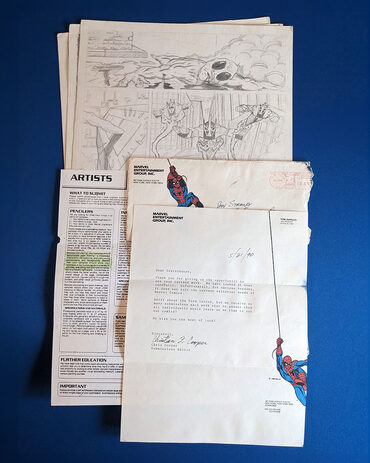
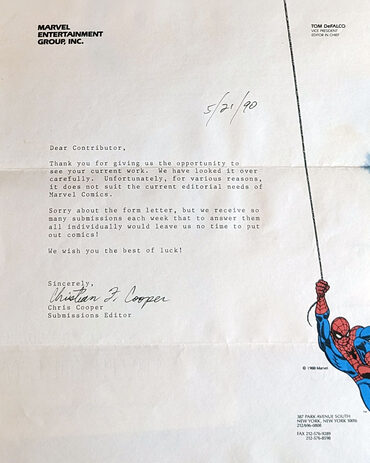
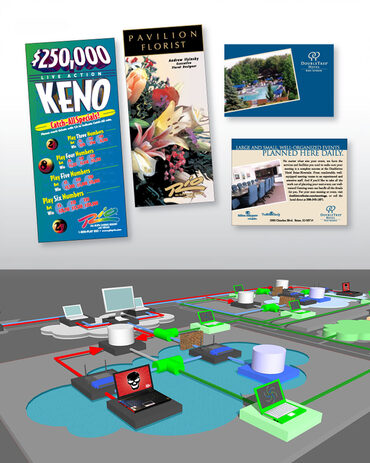
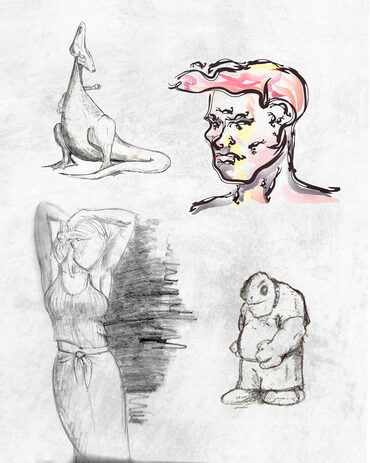
I drew obsessively as a kid, painted a mural, wrote and did illustrations for Las Vegas alt-weeklies in the 90's, interviewed bands, did graphic design and webdev professionally for 25 years. I was in Photoshop before it had layers. I lived through illustration getting incinerated by Illustrator, graphic design cannibalized by Canva, webdev weakened by WordPress — each one a direct hit to my livelihood. Every time, the eulogies were written, the panic was real, and the actual artists adapted and survived like they've done throughout history.


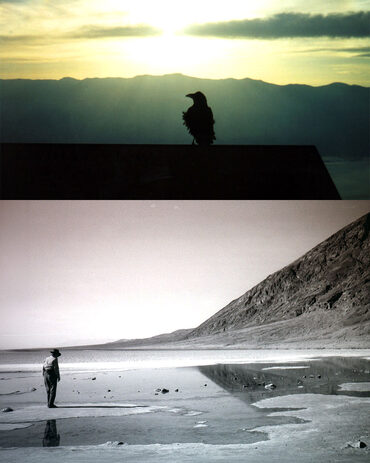
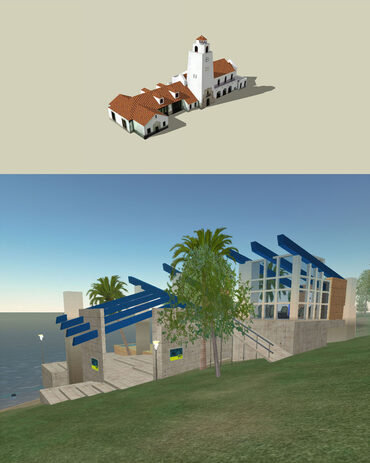
Cave painters didn't carve into stone tablets — someone else did that, and it was probably controversial. Gutenberg's printing press sent monks — who hand-copied every book in existence — into existential crisis. Photography was declared the death of painting. Electric guitars were heresy. Recorded music was going to destroy live performance. Synthesizers were going to replace musicians entirely. Photoshop was cheating.
Technology marches on. Creators adapt or die. Forest fires make way for new growth. This is the natural order.
I am proudly GenX. Watching industries transform under my feet is basically my native language. I can program a VCR and a linux virtual machine while doom-scrolling and enjoying a nice warm glass of hose water. Fight me.
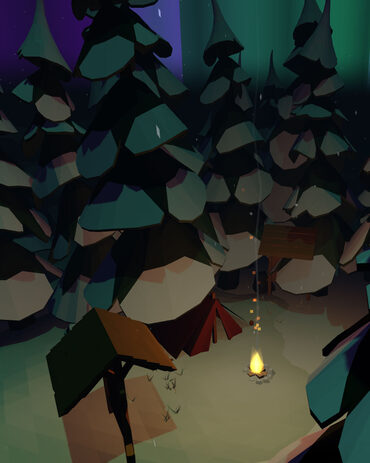
So when I started building The Black Ravens into something worth reading, I faced a problem every indie publisher faces: I needed visuals for every post, I had little budget, and creating or commissioning original art for each piece wasn't economically viable or realistic. AI image generation filled that gap. I used it and I'd do it again.
And some people have not been happy about it. Interview requests have been rejected because they "didn't want to be associated with AI." TBR has been blocked by crusaders against "AI slop." Fair enough. I respect people's opinions, but I respect them much less when they're uninformed and one-sided.
Here's what those people don't know about me (because they're too self-absorbed to ask): Besides having been a visual artist for longer than many of them have been alive, I am also someone who actively funds real artists — I've backed an actual album out of my own pocket, paid for and run ads for live shows, procured press coverage for bands and artists I believe in. Bought their merch. I am not an enemy of human creativity. I am one of its more weathered participants.
The AI debate in creative communities is real and certainly worth having. Artists deserve to have their livelihoods protected. I genuinely believe that. But the conversation gets hijacked by a kind of moral panic that flattens everything — that treats a solo publisher using Midjourney to illustrate a blog post or keep a feed active the same as a corporation replacing an art department with automation. Those are not the same thing.
I used a tool — an evolved solution. The same way I use GPS instead of my trusty road atlas. The same way I used digital cameras when film purists said dick pics would lose their warmth. The same way every creative person has always used whatever was available to make the thing they were trying to make or solve the problem with which they were faced.
But ok, let's address the talking points:
Datacenters
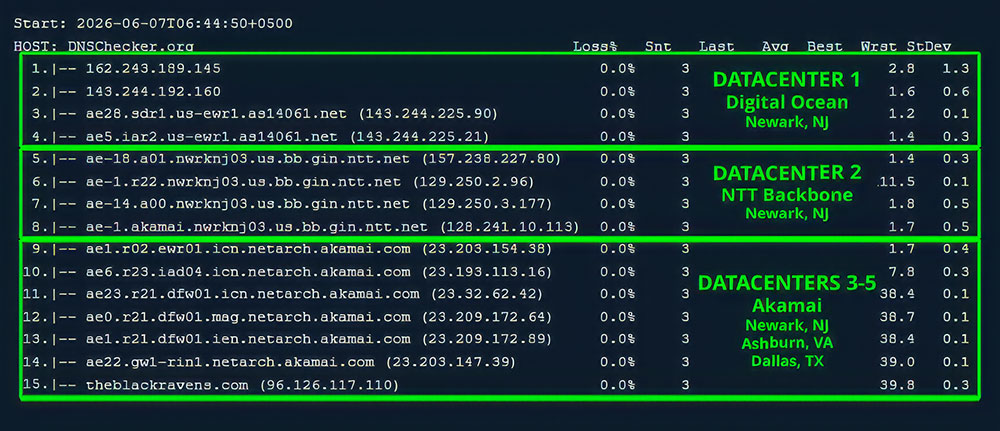
Every webpage you've ever loaded comes from a datacenter, including this one.
Every email, every stream, every Google search, every Instagram scroll. The internet itself is an ever-growing vast humming machine drinking power and water around the clock. AI didn't invent that — it just gave people a new reason to suddenly care about it. Where was this outrage before? Do you know how many datcenters it takes for you to turn on your faucet and Netflix comes out? You think TikTok seeds are planted every Spring? To this I say respectfully: "Bitch, please."
Training Data
Ok, the training data argument I'll give you. The legal and ethical questions are genuinely unsettled and unsettling. I have sympathy for it, and am rooting for a fair resolution — whatever that might be. But the genie is out of the bottle, and even if you may indeed be entitled to compensation, nothing will put it back.
Granted, my work likely wasn't used in training data, but even if it was, what is there to do about it?
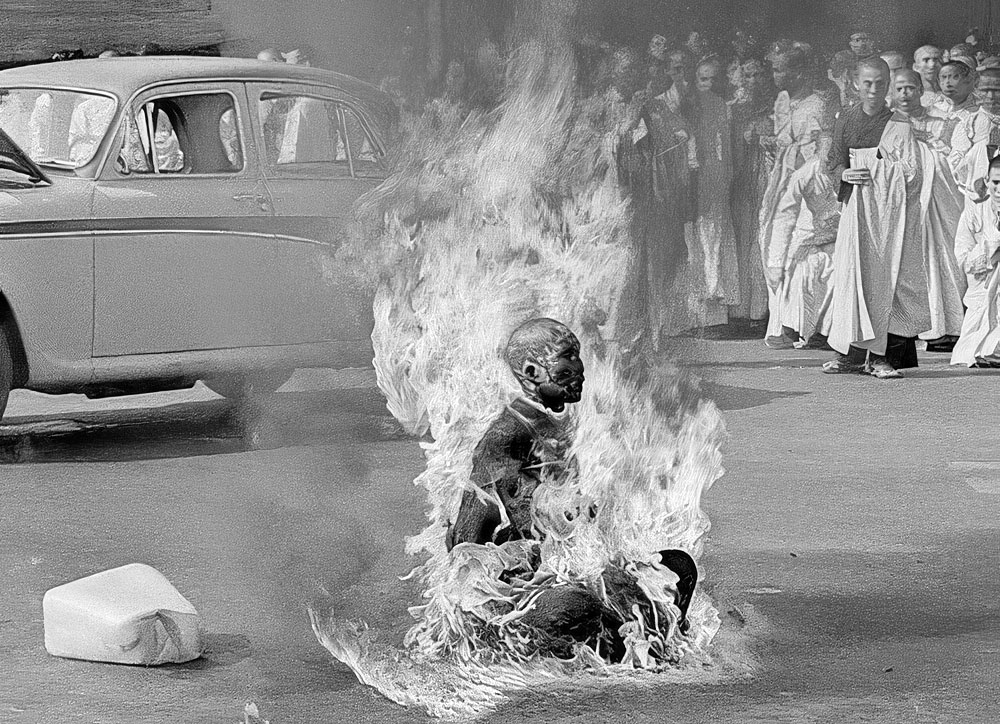
Self-immolating in front of the offices of OpenAI and Anthropic won't change anything, but if that's how you want to go out, then you do you, Crispy. Me? I'm going to keep creating.
AI Music
I'll also concede that AI music sucks, but it doesn't really affect me much since I don't listen to it. When AI sells 75 million records worldwide, changes the face of popular music and culture, influences generations of musicians and creators, does a bunch of heroin then shotguns itself to death, let me know. Until then, nevermind.
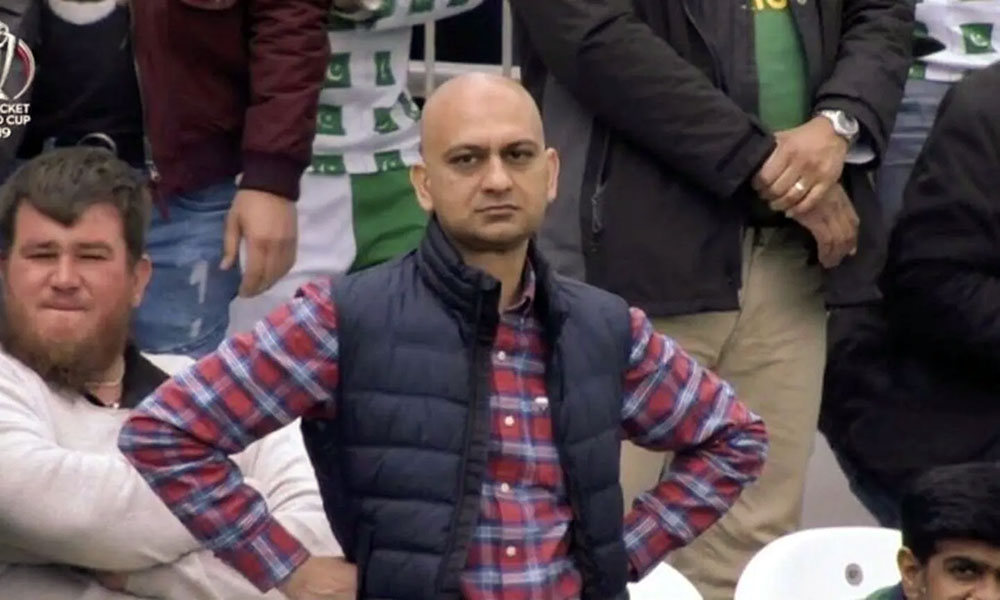
The robots are takin' our jobs!
As for AI putting artists out of work — see the previous several hundred years of this exact argument. See also: everything above.
Bereft of life
AI produces soulless work? So do a lot of humans. Tools don't have souls. Artists do. The soul is in the intention, the curation, the context. Hammers don't lose sleep over nail-gun slop.
No barrier to entry
Anyone can do it, so it devalues craft? Anyone can use Canva. Anyone can use GarageBand. Anyone can point a phone at something and call it photography. Craft has never been about access to tools — it's about what you do with them and why.
Look, the market has always been brutal and the competition always real. Talent alone is not enough. It never was. That's not AI's fault. That's just the game.
So how do you beat AI? The same way every generation of creators has beaten every tool that was going to end them — you use it or not, you adapt, you make your thing. This is not new. You are not special. Go make something.
More Black Ravens articles: 👉 TBR Magazine